
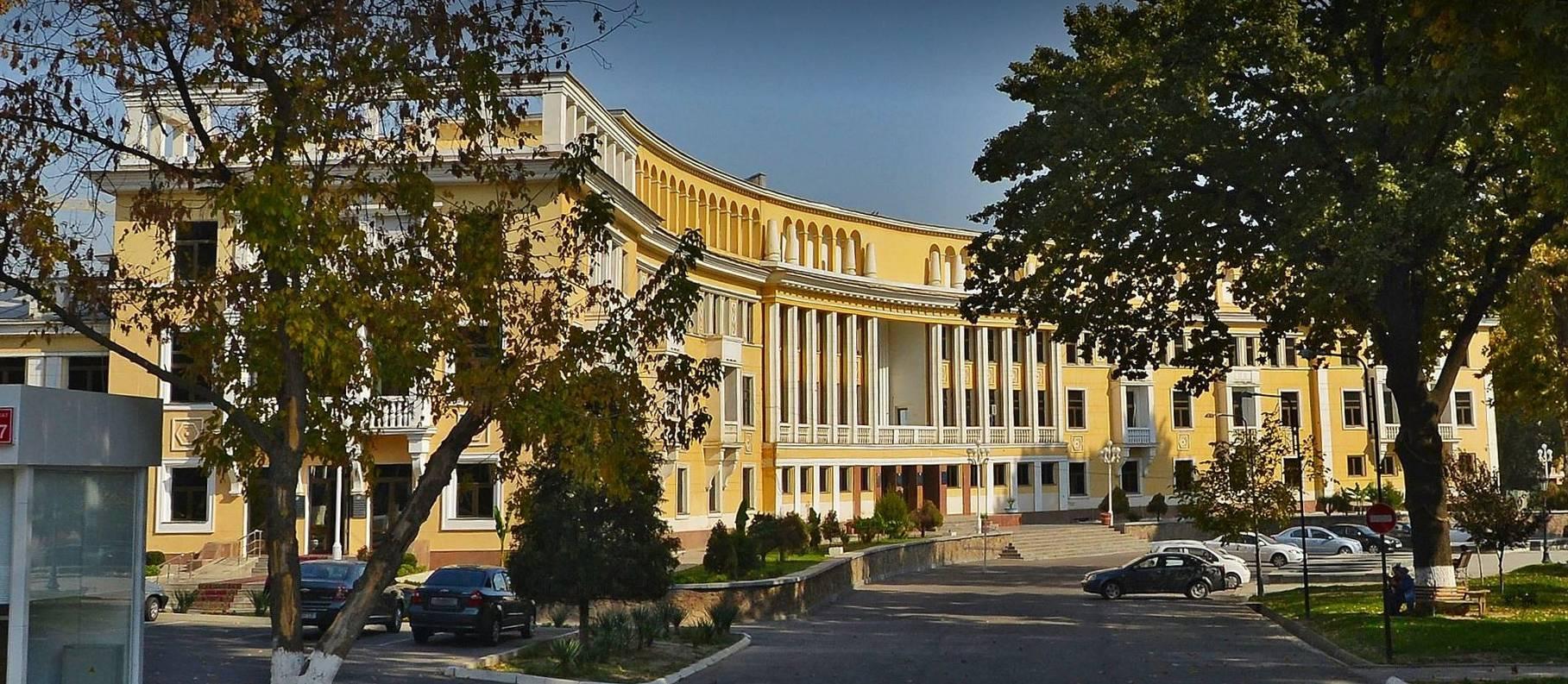
The beautiful building with a semi-circular facade was constructed in 1938 by Moscow architects A. A. Galkin and A. N. Karnaukhov. The flat roof, niches, loggias, and balconies reflect the authors’ efforts to account for the hot climate. The architecture of the building is simple and concise, with its divisions based on classical principles, as noted in the Tashkent encyclopedia published in 1981.
Until the 1990s, the Textile Workers’
Palace of Culture hosted numerous children’s clubs: opera, theater, choir,
dance, a children’s film studio, and others. Tashkent residents fondly recall
the art studio and choreography classes.
In 1939, under the “top secret”
classification, the second and third floors were converted into a hospital for
Red Army officers. Legendary commanders were treated here, while the first
floor continued to host children’s creative clubs.
After Yuri A. Gagarin’s space flight in
1961, the palace was named in his honor.
In the years of independence, the building
housed the Ministry of Light Industry; currently, it accommodates the Committee
on Interethnic Relations and Ties with Compatriots Abroad.
In 2015, a monument to A. S. Pushkin was
installed in the square in front of the building.
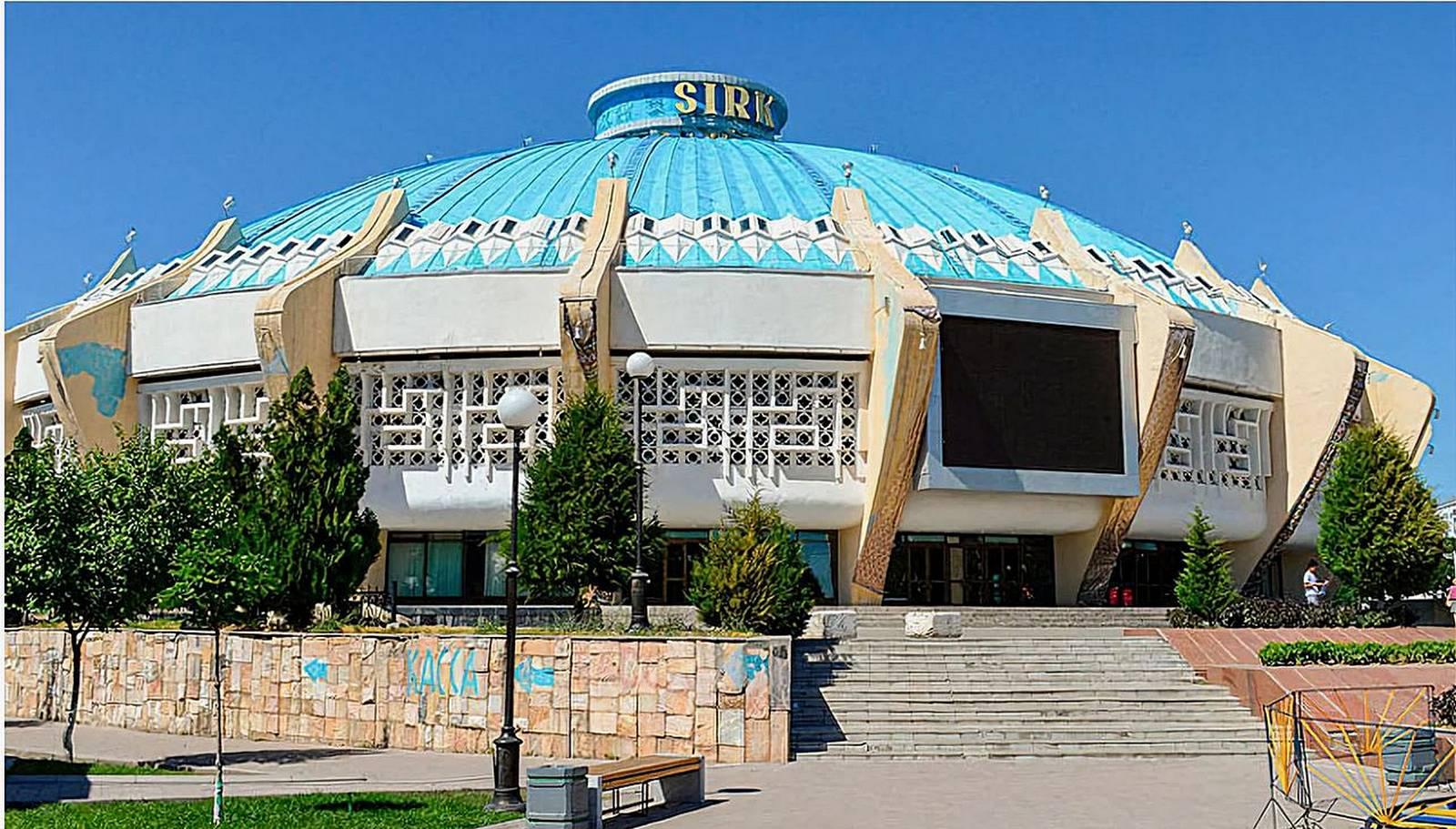
The Tashkent Circus building is one of the most beautiful in the city. It seems to float above the ...

The architectural complex “Ma’rifat Markazi” (Center of Enlightenment), built on Navoi Street for t...
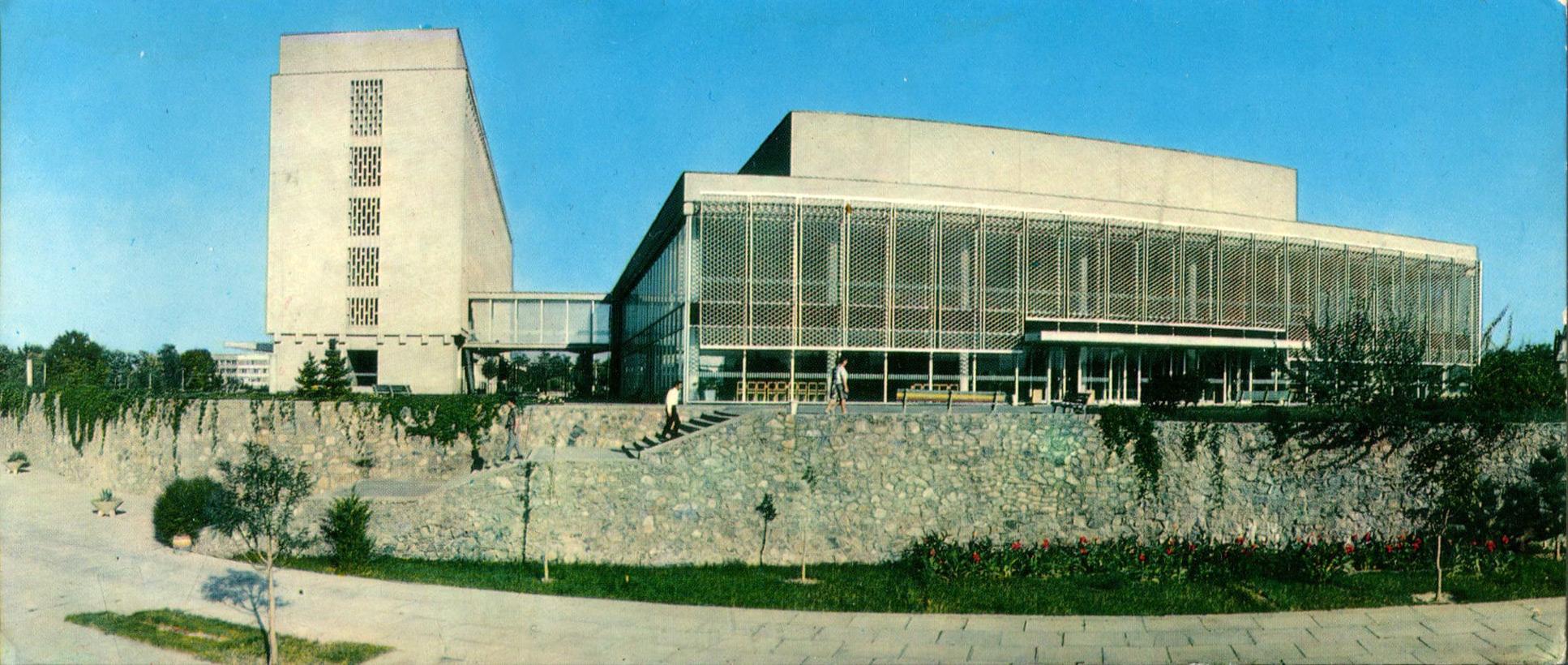
The former Central Committee of the Communist Party of Uzbekistan building was constructed in 1964....
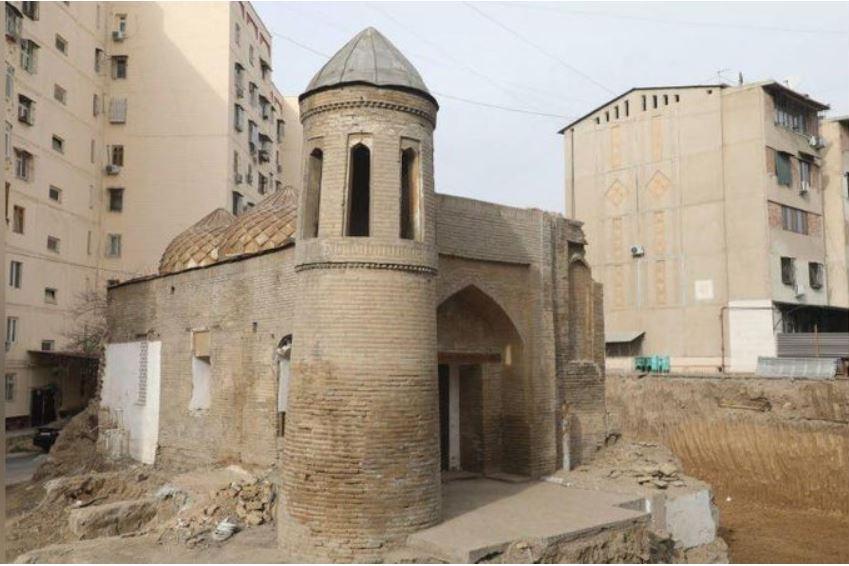
The Baland Mosque was built in 1857. "Baland" means "high," and the mosque received its name from t...