
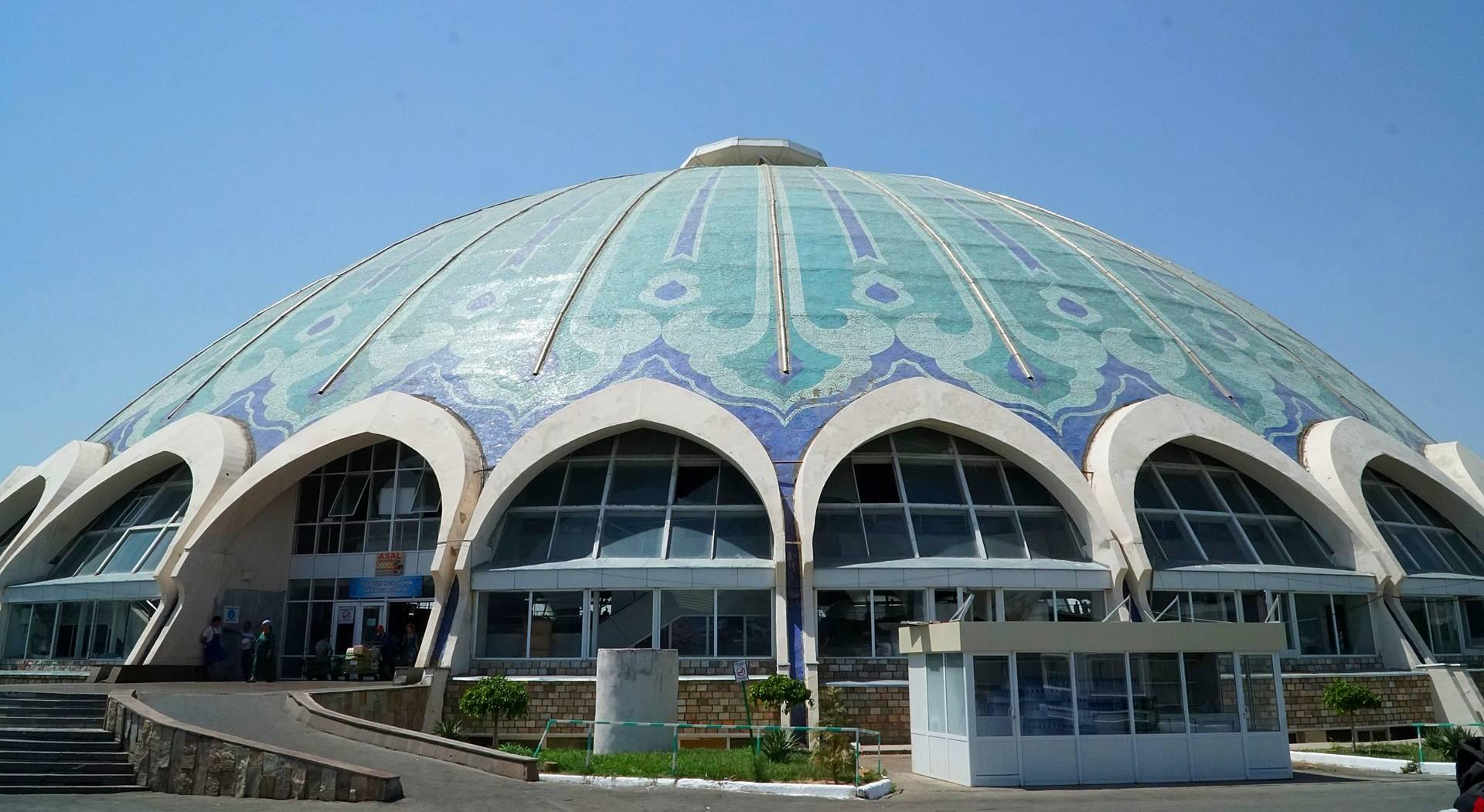
Numerous publications link the modern use of traditional domes to the ideas of architect Andrey Kosinsky, who proposed using domed structures in the new Chilanzar districts built after the earthquake. His concepts were realised only twenty years later, when Tashkent City Design Institute architects Vladimir Azimov and Sabir Adylov began designing the reconstruction of Chorsu Bazaar.
Architecture historian Boris Chukhovich notes that the
architects may also have been inspired by a dome built in the Algerian city of
Sidi-Bel-Abbès.
In 1990 the complex opened: seven smaller domes (10–15 m in
diameter) were built surrounding the main bazaar dome of 86 metres. However,
the finishing and tiling of the main dome continued until 1993.
The lower level contains basement corridors with numerous
utility rooms. Today the ground floor houses meat and dairy stalls, while spice
vendors operate on the second-floor gallery. Separate pavilions were built for
clothing, household goods, and handicrafts.
Construction of the main dome began simultaneously with the
digging of the eponymous “Chorsu” metro station, which opened on 6 November
1989.
In May 2022, news emerged of an attempt to demolish one of
the domes. Following publications in blogs and media, the Cultural Heritage
Agency confirmed that all Chorsu domes are included in the list of cultural
heritage sites of Uzbekistan.
The turquoise dome floating above the bazaar and visible
from afar has become the main accent of the old city’s panorama, and walking
through the trading rows beneath its vaults is now a mandatory part of every
tourist route.
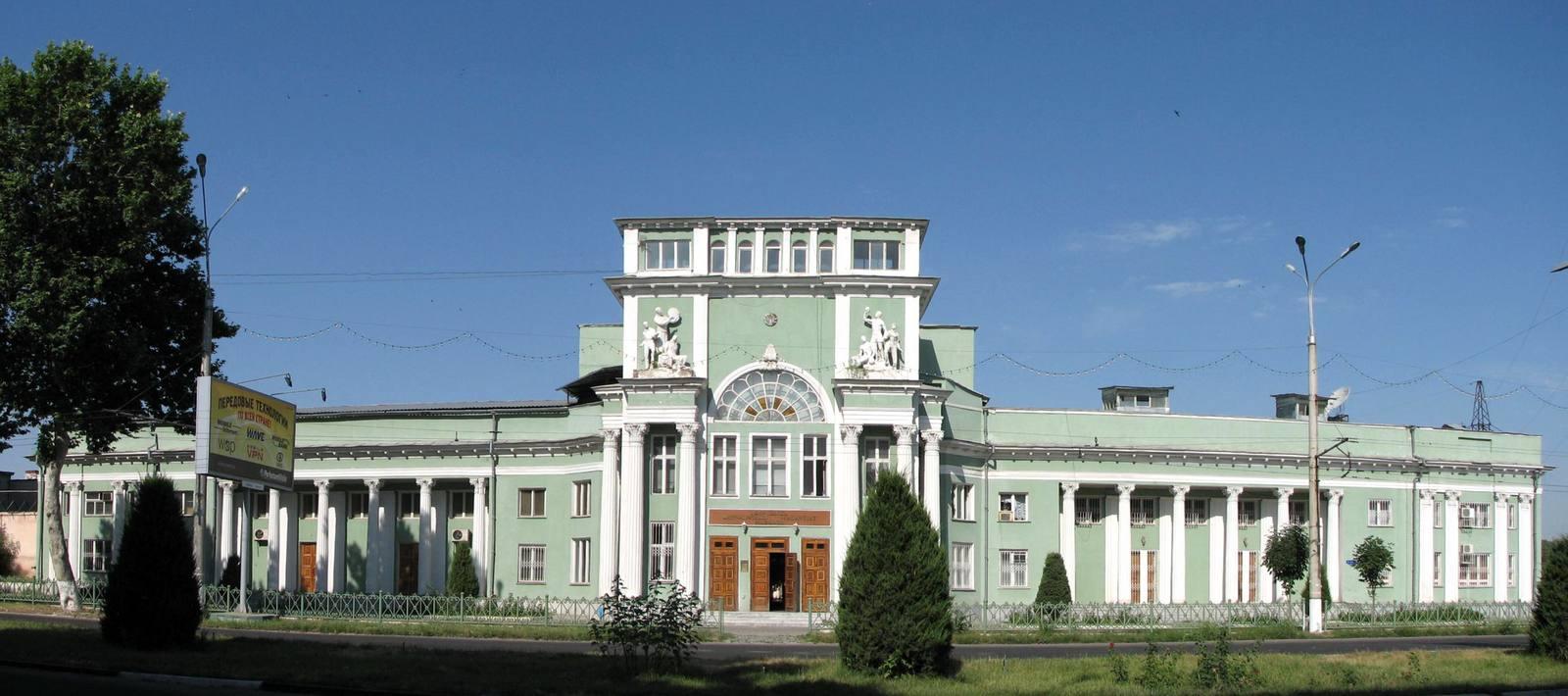
The Shoemakers’ Palace of Culture of Tashkent Production Shoe Association No. 1 was built in 1936 a...

The three turquoise domes next to the Kukeldash Madrasah are visible from afar and define the lands...
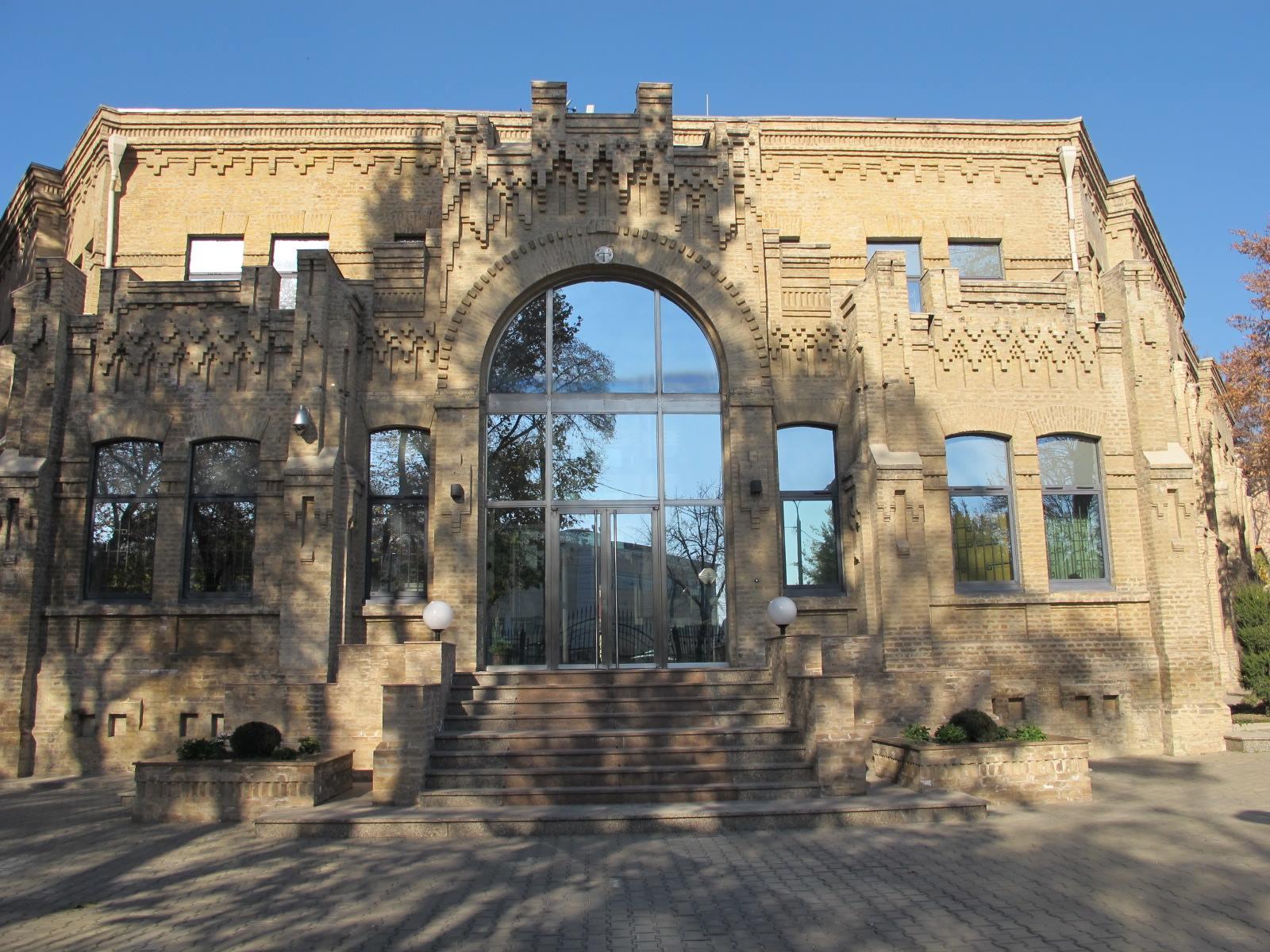
All Tashkent residents notice the French Embassy building located at the corner of Yahyo Gulomov an...
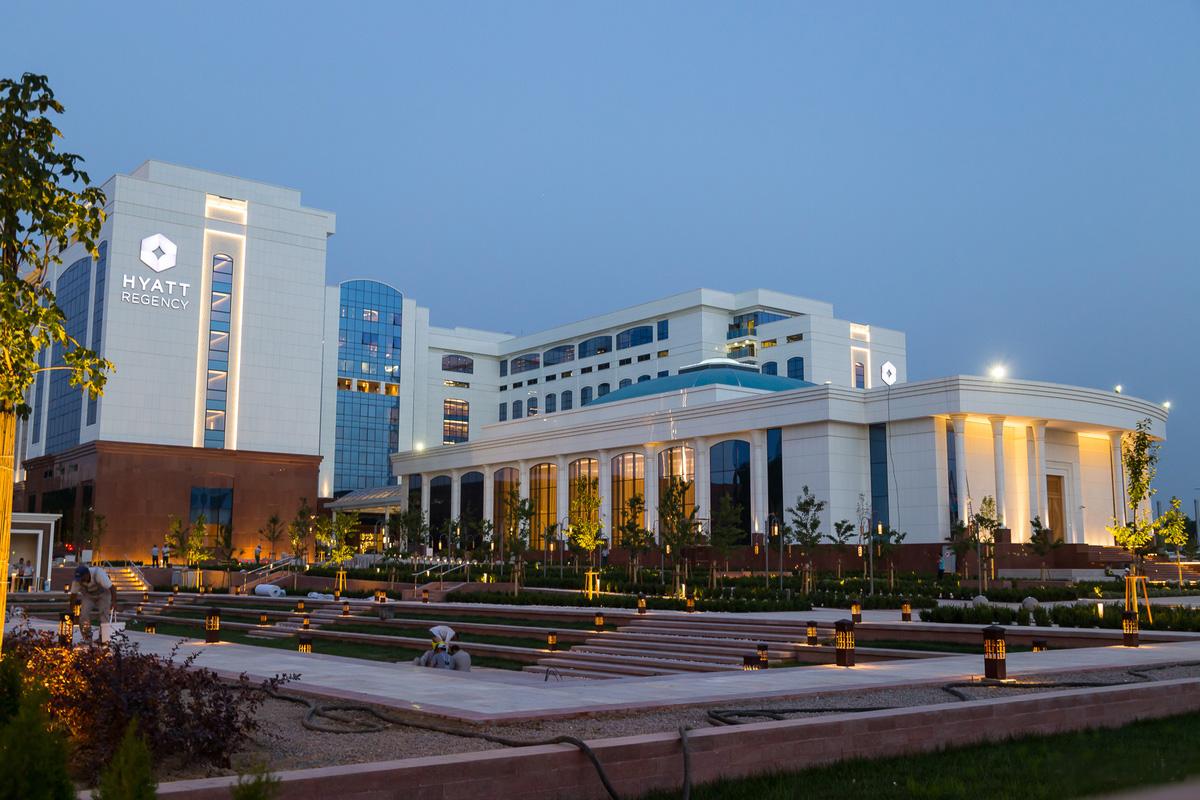
In 2012, the Tashkent administration and Hyatt International signed an agreement for the construct...