
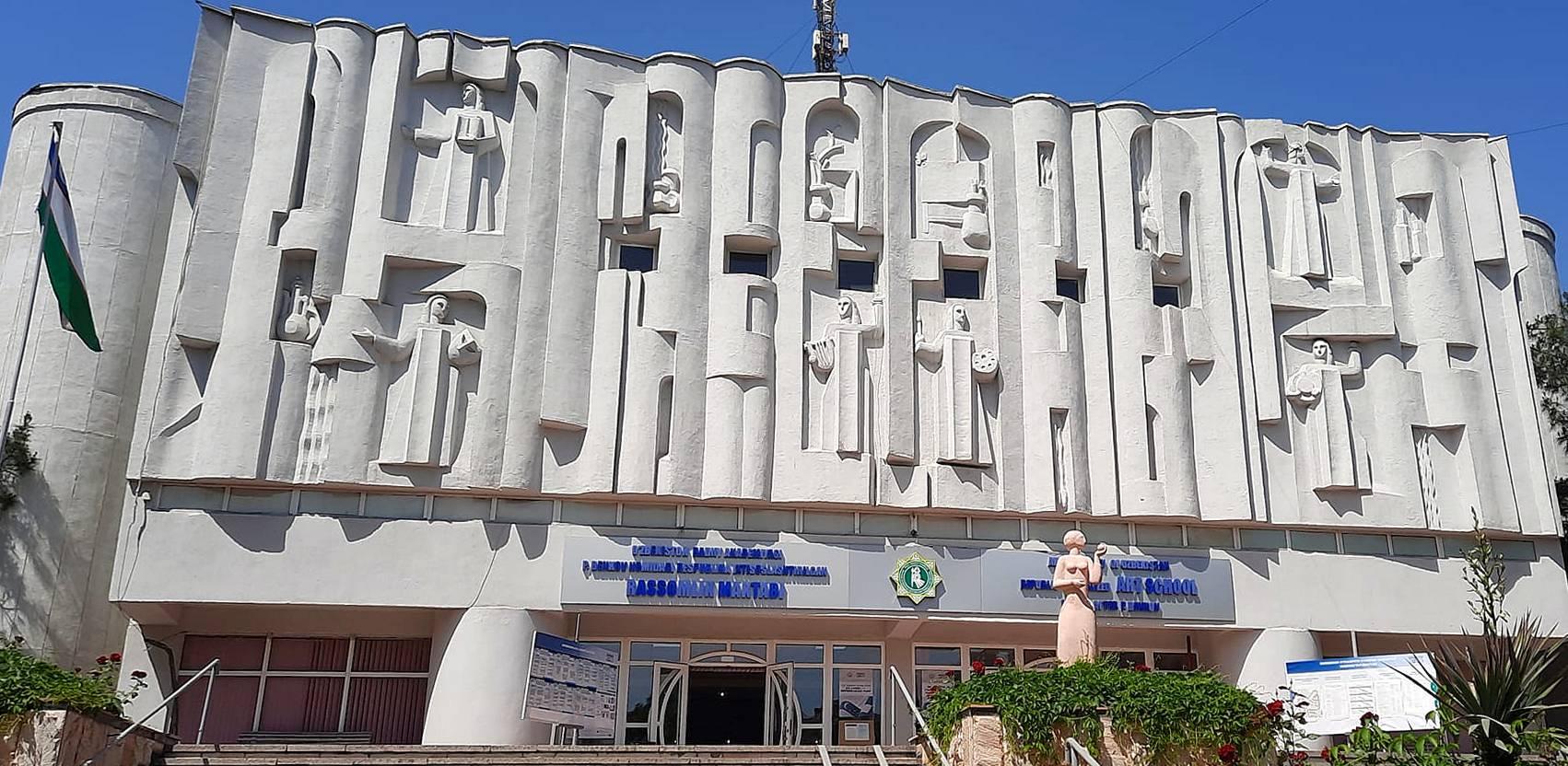
The white, modest yet highly expressive building of the college was constructed in 1984 on a hill by architect R. Khayrutdinov and engineer R. Abdukhalikov. The façade is richly decorated with a bas-relief featuring figures symbolising various art genres. Two cylindrical towers on the sides give the building the fairy-tale appearance of a magical castle.
The interiors are adorned with panels depicting
paintings by artist Vladimir Chub, who is also the author of the façade
bas-relief. The inner atrium is designed for exhibitions of works by students
and teachers.
Although the college is located in the old-city mahalla of Chaqar, its façade faces Furqat Street, which is lined with modern buildings. The architects successfully blended both contexts, combining the contemporary outlines of the structure with figures on the façade dressed in traditional national clothing.
During the excavation of the foundation pit for construction, well-preserved remains of a medieval bathhouse were discovered.
Surprisingly, the art college building is one of the very few structures that has survived to the present day without any reconstruction or changes to its exterior appearance.
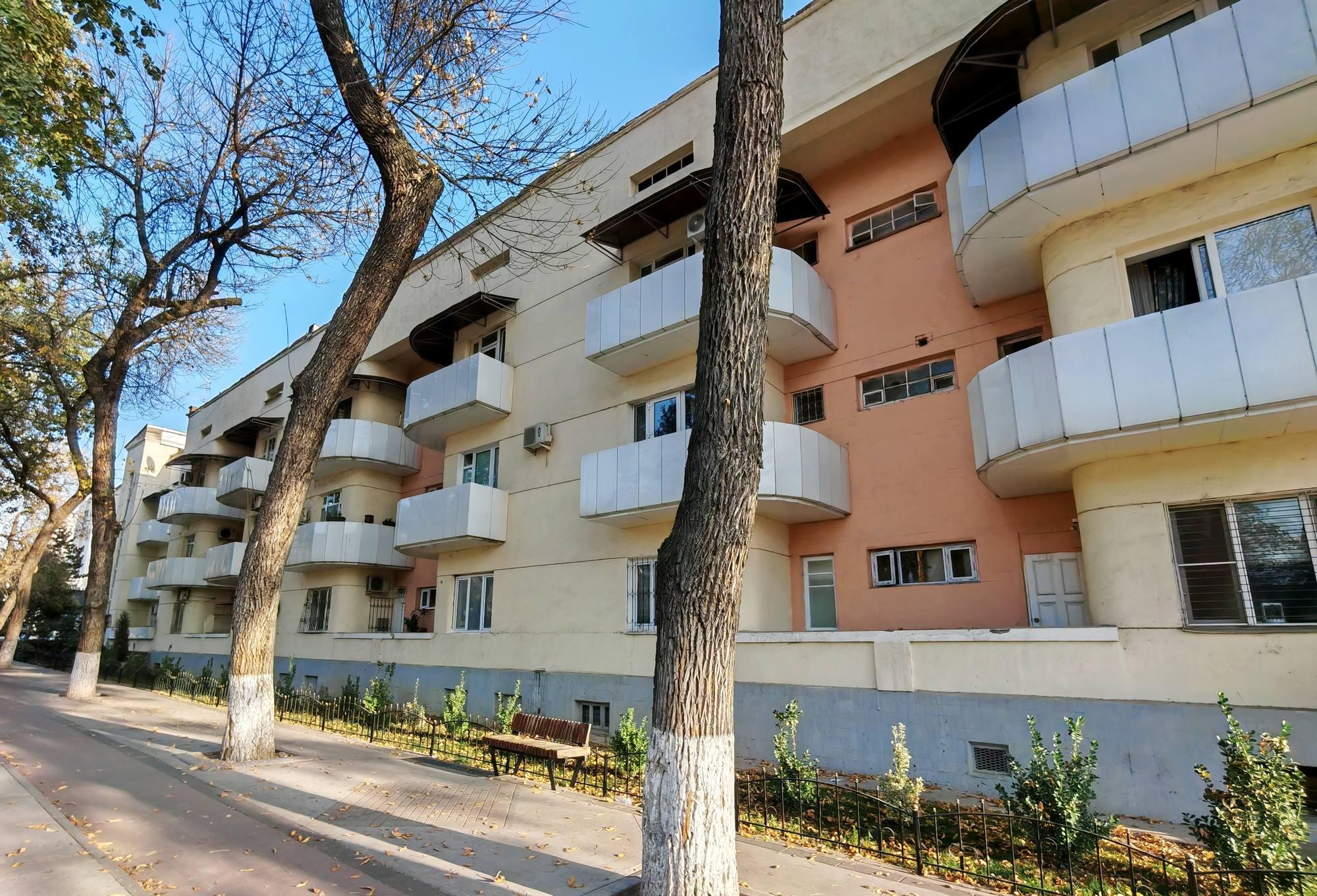
The residential building on the former Pushkin Street was built in 1931 according to the design of ...
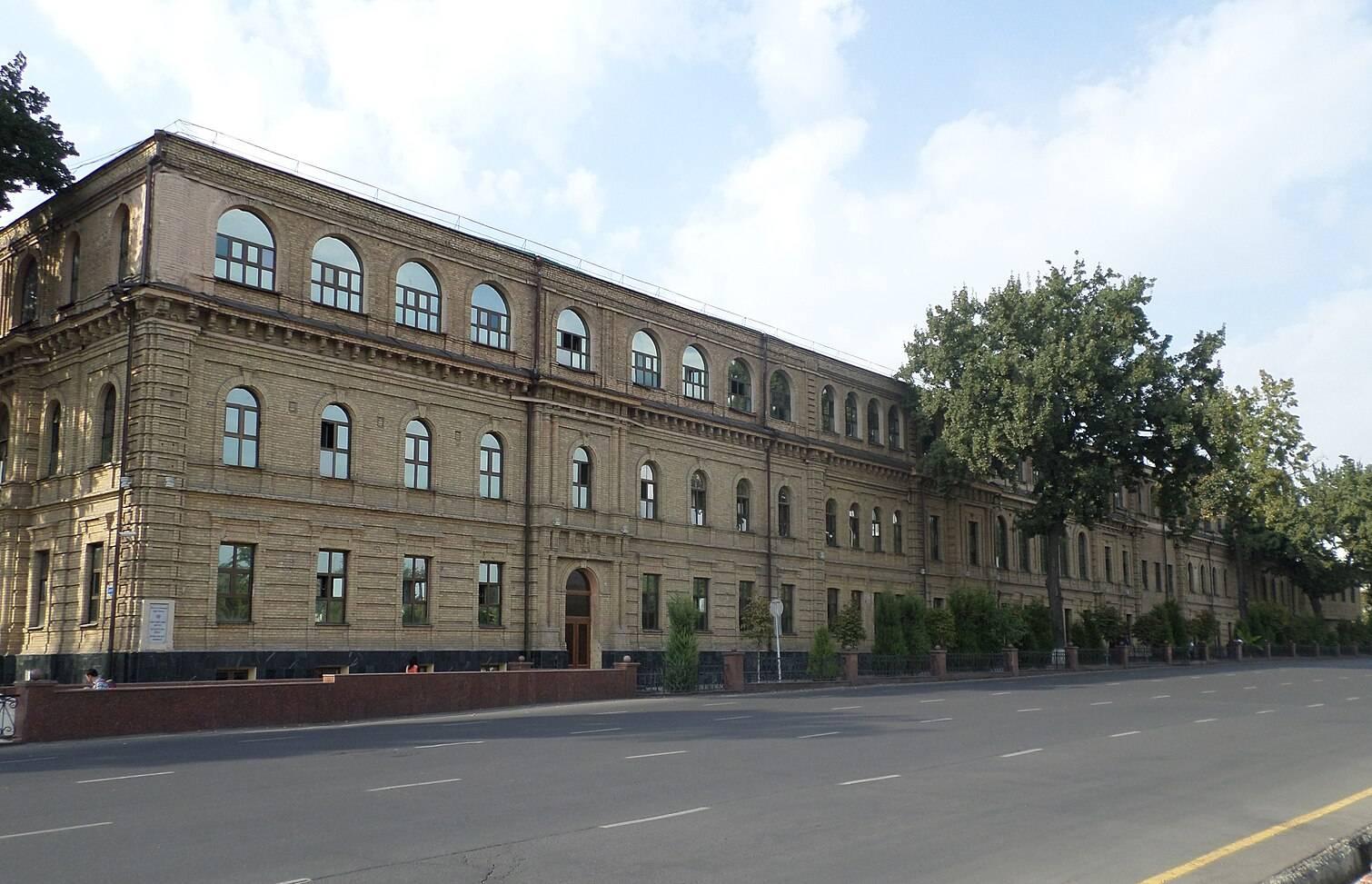
These two buildings, designed by military engineer Stanislav Kazimirovich Glinka-Yanchevsky, are w...
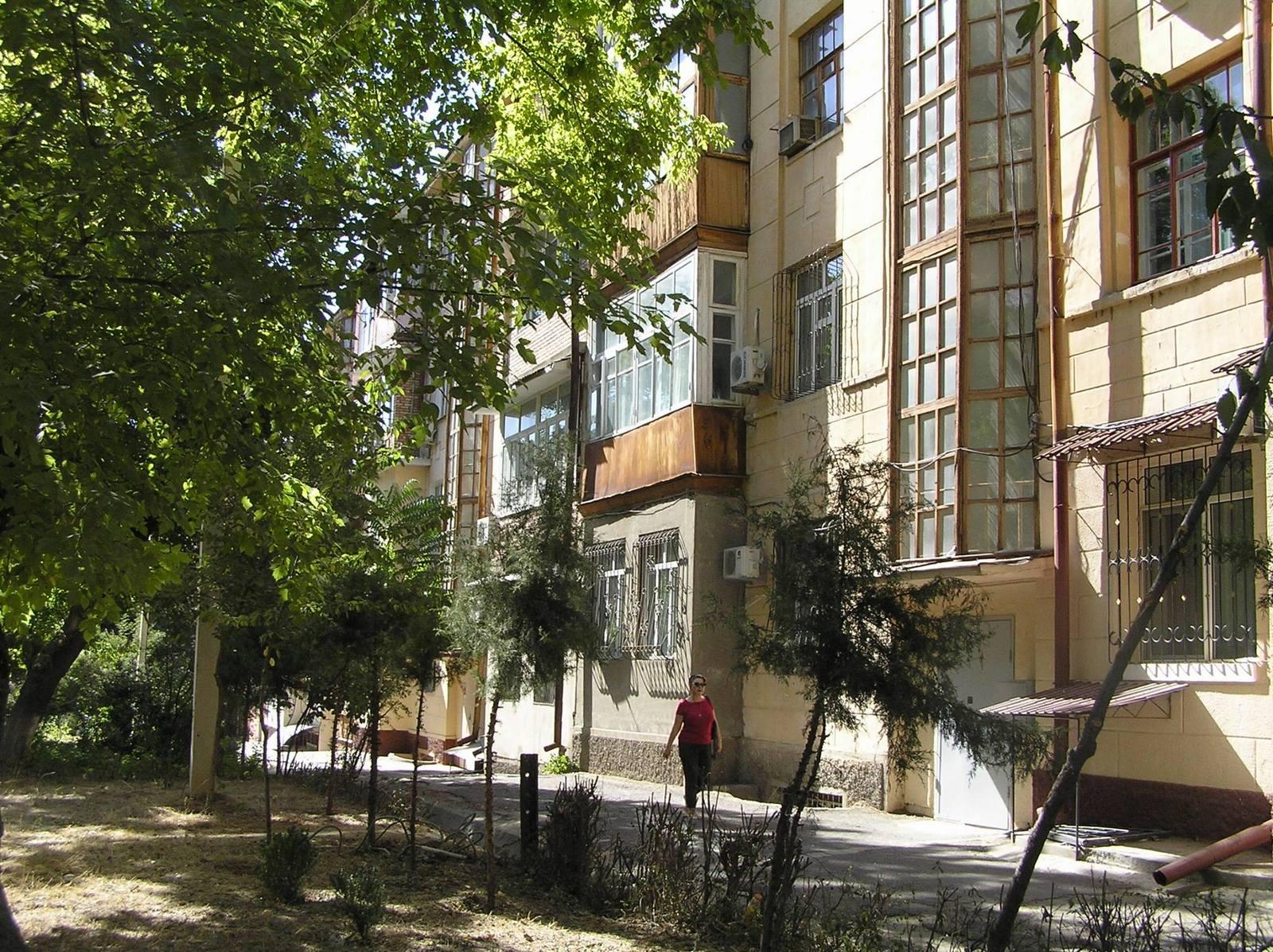
The “House of Specialists” in Tashkent was built in 1934 according to the design of A. Pavlov in th...
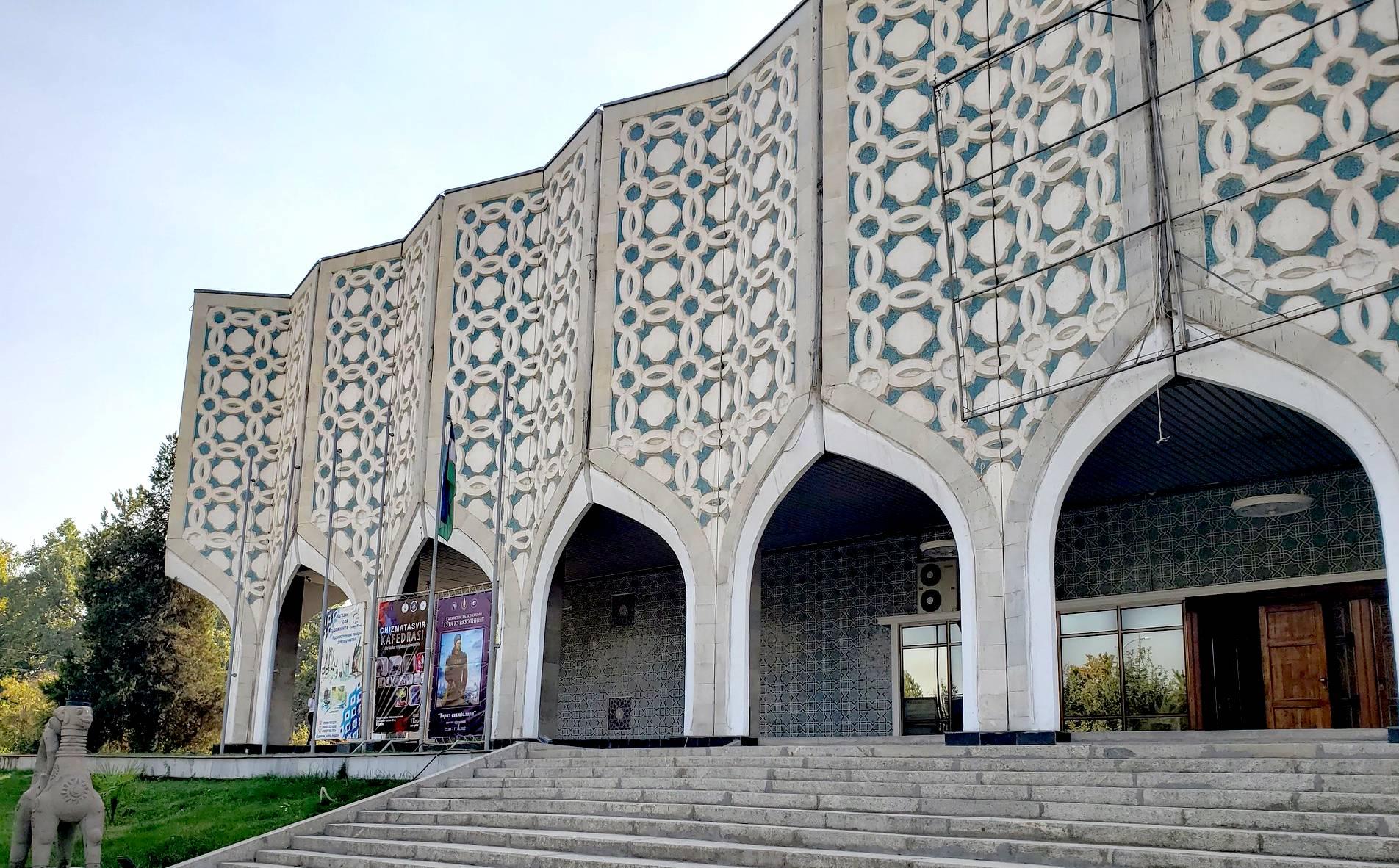
One of the most beautiful buildings adorning the centre of Tashkent — the Exhibition Hall of the Un...